
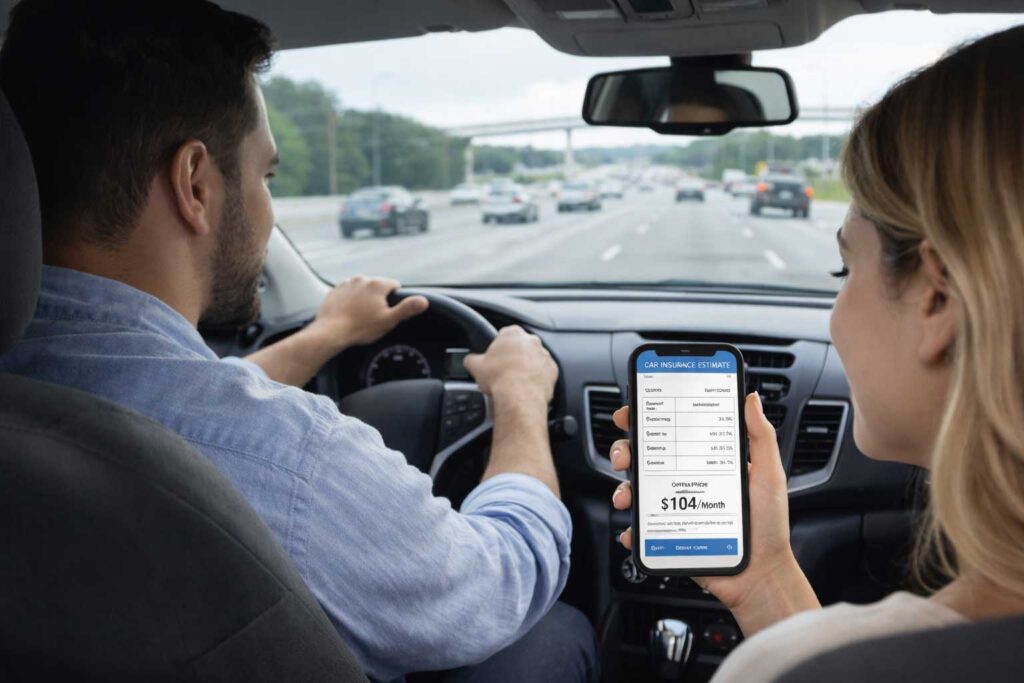
Car Insurance Guide: Coverage, Quotes, Rates, and Smarter Comparison
Car insurance gets easier to understand when you break it into the main decisions drivers actually make: what kind of protection they want, how quotes and estimates differ, what affects price, and how to compare providers without focusing only on the cheapest number.
This page is designed to work as a broad starting point for the site. It gives you a beginner-friendly overview before you move into more specific pages like Type of Coverage, How Car Insurance Estimates Work, Instant Quotes, Rate Comparison, Compare Providers, and FAQ.
Understand the Basics
Start with the core parts of a policy so you know what you are comparing before you look at pricing.
Compare More Clearly
Quotes make more sense when liability limits, deductibles, and major coverages are matched fairly.
Move to the Right Next Step
Use deeper pages only after you know whether you need coverage help, quote help, or provider comparison.
What a Beginner Usually Needs to Understand First
| Topic | What It Means | Why It Matters |
|---|---|---|
| Coverage types | The main protections included or offered in an auto policy. | You cannot compare price fairly until you know what the policy is actually built to cover. |
| Estimate vs. quote | An estimate is usually a planning number, while a quote is more specific. | This helps you avoid treating an early result like a final promise. |
| Rate factors | Things like location, vehicle, deductibles, and driving profile can affect price. | It explains why one driver or one insurer can produce a very different result from another. |
| Provider comparison | Comparing companies after the coverage structure is already clear. | This reduces weak decisions based only on branding or one headline number. |
How Car Insurance Works in Simple Terms
1. A Policy Is a Protection Package, Not Just a Monthly Payment
Many shoppers begin by looking at premium first, but the real meaning of a policy comes from the protection behind that number. A lower price may reflect weaker liability limits, a higher deductible, or fewer protections for your own vehicle.
That is why car insurance should be understood as a package of choices rather than just a bill. The best comparison starts with what the policy is meant to protect, then moves to cost.
2. Coverage Types Shape What the Policy Can Do
Liability coverage is often the foundation because it helps address damage or injuries you cause to others in a covered accident. Collision and comprehensive usually relate more directly to damage to your own vehicle. Other options like UM/UIM or medical-related coverage can also matter depending on your situation.
If you want the deeper breakdown of each major type, continue to Type of Coverage and Car Insurance Basic.
3. An Estimate, a Quote, and a Policy Are Not the Same Thing
This distinction helps many beginners immediately. An estimate is usually a planning number based on the information currently entered. A quote is more specific once the shopping process becomes more detailed. A policy is the final insurance contract that actually governs the protection in force.
Understanding that sequence makes it easier to compare results realistically and avoid confusion during shopping.
4. Rates Change Because the Structure Changes Too
Price can move when the deductible changes, when broader vehicle protection is added or removed, when liability limits are adjusted, or when the vehicle, ZIP code, or usage profile changes. That is why fast price comparisons can become misleading if the policy structure is not matched carefully.
For a deeper price-focused page, use Rate Comparison.
The Main Coverage Types Most Drivers Compare
| Coverage | What It Usually Helps With | Why People Compare It |
|---|---|---|
| Liability | Damage or injuries you cause to others when you are at fault. | Often required and usually the first layer of protection drivers review. |
| Collision | Damage to your own vehicle from a covered crash, subject to deductible. | Often important when protecting a newer or financed vehicle. |
| Comprehensive | Non-collision risks such as certain theft, weather, vandalism, or similar losses. | Adds broader protection beyond crashes. |
| UM / UIM | Situations involving a driver with too little insurance or no insurance. | Can materially improve real-world protection. |
| Optional add-ons | Roadside assistance, rental reimbursement, towing, and similar extras. | Sometimes make one policy more practical even when price is close. |
5. Comparing Providers Works Better After You Know Your Coverage Direction
Provider comparison becomes stronger when you already know what kind of policy you want. Otherwise, it is too easy to compare companies on branding, convenience, or one low number without noticing that the quote structure is different.
Once your coverage direction is clear, move to Compare Providers.
6. Common Mistakes Usually Happen Before the Quote Is Even Chosen
Many problems start when drivers compare a weak policy against a stronger one without noticing, focus only on the monthly premium, or treat an early estimate as if it were the final answer. Another common mistake is skipping the deductible review and only reacting to the cheapest result.
- Do not compare two policies without checking liability limits and deductibles.
- Do not assume “full coverage” means the same exact structure everywhere.
- Do not treat a calculator or estimate result like a final policy offer.
- Do not compare providers before you understand the protection you want.
7. A Simple Research Path Usually Works Best
Most beginners do better with a clear order instead of trying to learn every topic at once. Start with a broad guide like this one, move to coverage definitions, then explore estimates or instant quote paths, then compare rates, and only after that look more deeply at providers if needed.
- Start here for the big-picture view.
- Use Type of Coverage for deeper coverage explanations.
- Use How Car Insurance Estimates Work for estimate context.
- Use Instant Quotes when you are ready to compare faster quote paths.
- Use Rate Comparison before deciding the lowest number is the best value.
Frequently Asked Questions
What is the best page to read after this guide?
That depends on what you need next. Coverage help fits Type of Coverage, estimate help fits How Car Insurance Estimates Work, and quote comparison fits Instant Quotes.
Should I choose the cheapest policy first and read the details later?
No. It is usually smarter to check the policy structure first, because a lower number may reflect weaker protection rather than better overall value.
Do I need to understand every coverage before I compare quotes?
Not every detail, but you should understand the main categories well enough to tell whether two quotes are built similarly.
Is this page meant to replace the calculator or quote pages?
No. This is the broad guide page. More specific tasks belong on pages like Car Insurance Calculator, Cost Analyzer, and Instant Quotes.
Ready to Move From the Guide to Real Quote Research?
Enter your ZIP code to continue with a clearer understanding of coverage, estimates, and the next steps in comparison.